
Dramatic coastlines, rugged wilderness and abundant wildlife characterise Kangaroo Island – or KI, as it’s shortened to by the locals. Over a third of it is protected in nature reserves and driving around the island, you’ll be awed by its unique landscapes, sweeping sea views and striking coastal rock formations.
Sadly the island hasn’t fared too well in recent years. It was hit hard by the bushfires of 2019/20, the largest in the island’s recorded history which scarred a significant portion of the landscape. Much of this damage is apparent when driving through areas such as Flinders Chase National Park, where swathes of desolate landscapes show the scale of destruction wrought by the fires. What were once verdant vistas are now bleak valleys of black sticks, and we learned from an almost emotional ranger at the KI wildlife park that the island’s koala population had been more than halved, not to mention other wildlife populations that suffered – a tragic thought when you consider that Kangaroo Island was once one of Australia’s most important wildlife sanctuaries. But I was happy to hear that much of kangaroo island’s unique ecology is beginning to regenerate.
Despite this sad history and ruin, Kangaroo Island is an extraordinary place. I’d say you need at least two full days here to fully explore all of its wonders – it’s surprisingly big (around the size of Bali but home to just 4,700 people!) We stayed in Penneshaw, on the north-east of the island – a good place to station ourselves and explore everything KI has to offer. You can always do a day trip – and there are many departing from as far away as Adelaide – but if you have time I’d recommend staying a little longer.
Some tips: if spending a few days there, you need a car to get around. Yes it’s a small-ish island but there’s a fair bit to see. Take some warm clothes. We went in December and it was pretty chilly, especially in the mornings.
Seal Bay Conservation Park
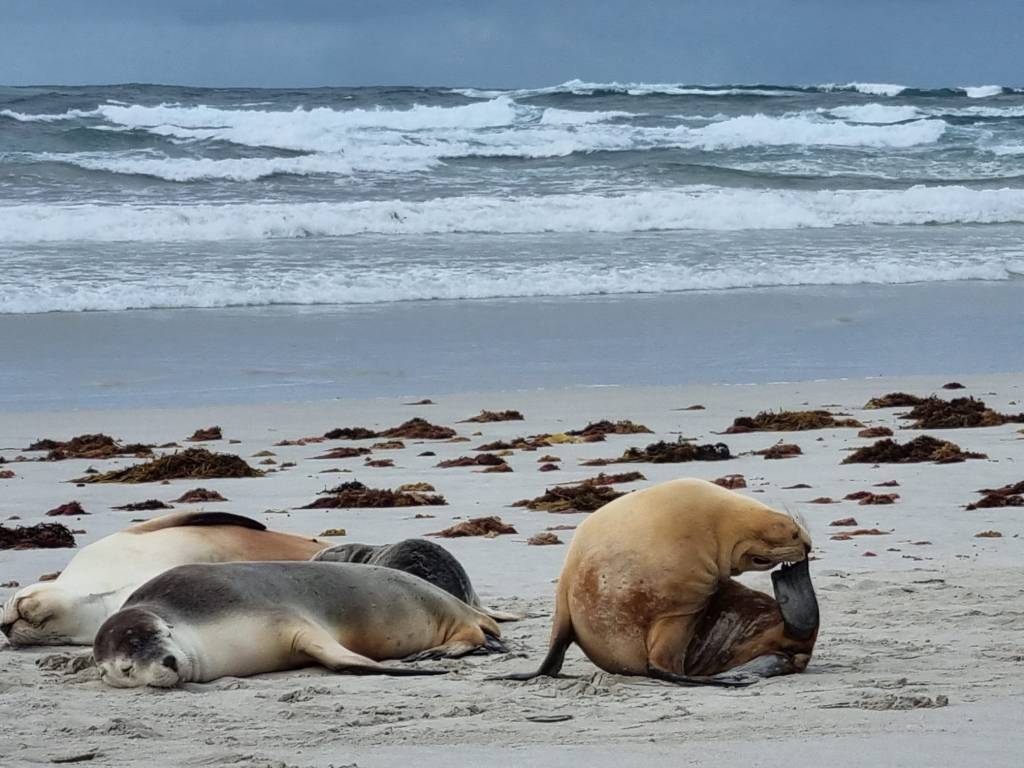
This place gets the seal of approval from me. Seal Bay Conservation Park, on the south coast of the island, is the best place to see the native Australian sea lions. A guided tour of Seal Bay promises an up-close view of a huge colony idly lolling on the sand, and although you have to keen a ten-metre distance, seeing such a big colony in their native habitat was pretty awesome, and I was surprised by how relatively un-scared of humans they seem. Fun fact sea lion fact: they have hair rather than fur, which means that they don’t do too well in the cold – to the extent that when it gets really windy on the beach they’ve been known to wriggle up to Seal Bay car park and shelter from the wind beneath staff cars.
Remarkable Rocks

Another highlight of Kangaroo Island was Remarkable Rocks in Flinders Chase National Park. These uniquely formed granite boulders are perched on a rocky outcrop overlooking the sea and shaped by five million years of the elements. Lichen gives them their unique orange hue and their holed, sculptured appearance reminded me of a Salvador Dali painting. They were nothing short of remarkable!
Admirals Arch

Also situated in Flinders Chase National Park, Admirals Arch is an amazing, naturally formed archway formed by weathering and erosion from the sea over thousands of years, and slumbering beneath it are many long-nosed fur seals, also known as New Zealand fur seals, who belong to a colony here. Adults dozed on the rocks while pups splashed around in the rock pools beneath the arch. So cute!
It’s a really dramatic view which – though geologically very different – reminded me somewhat of Fingal’s Cave on the Scottish Isle of Staffa.
Emu Bay Lavender Farm

Up in the north of the island is Emu Bay, where you can stop by the Emu Bay Lavender Farm. As you might imagine, it’s a pretty place to stop at with views of the surrounding lavender fields and the opportunity to learn about all the different types of lavender. I hadn’t realised there were so many different types, or that lavender scones were a thing. Turns out they are and they’re quite delicious.
Stokes Bay
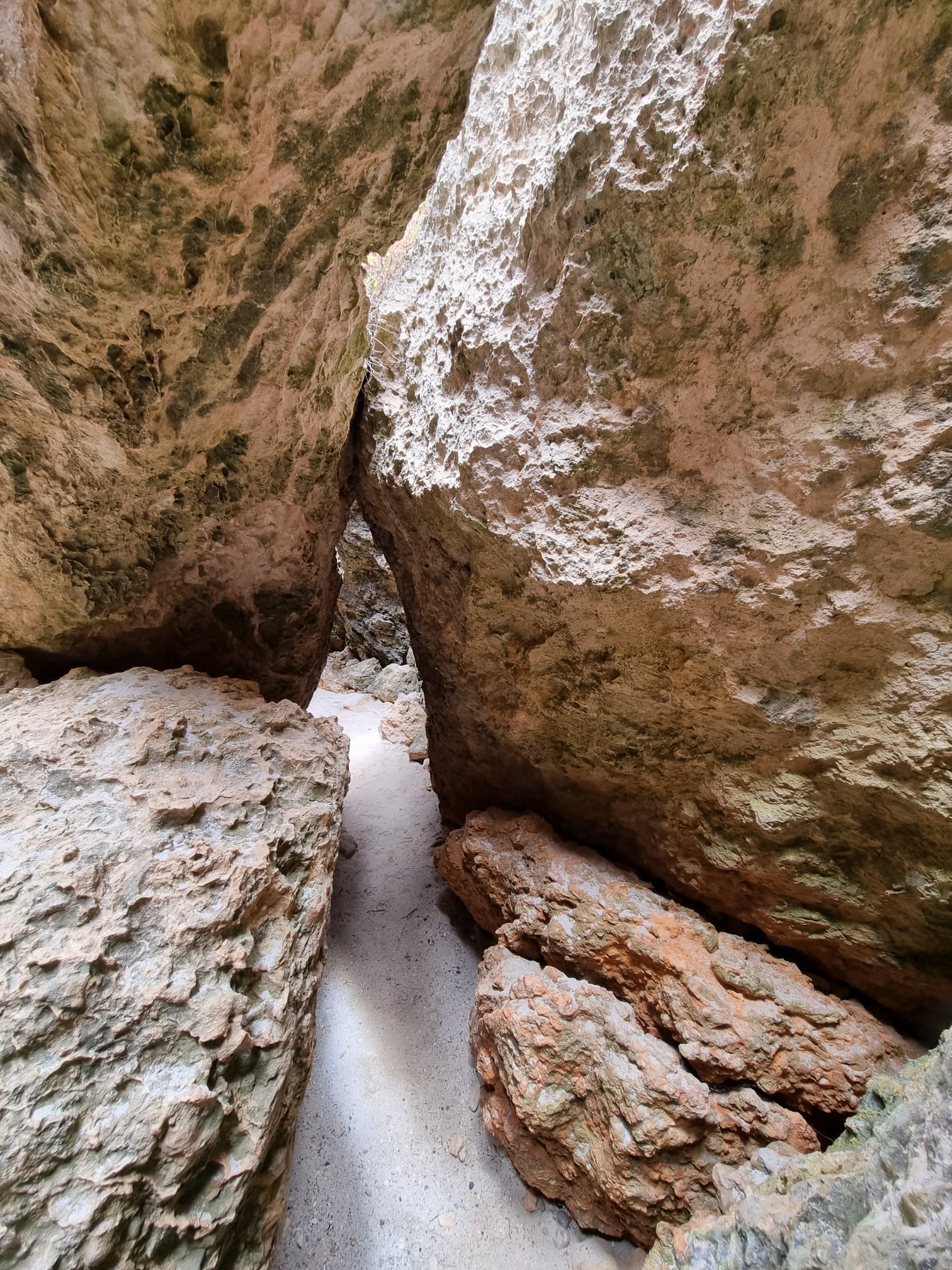
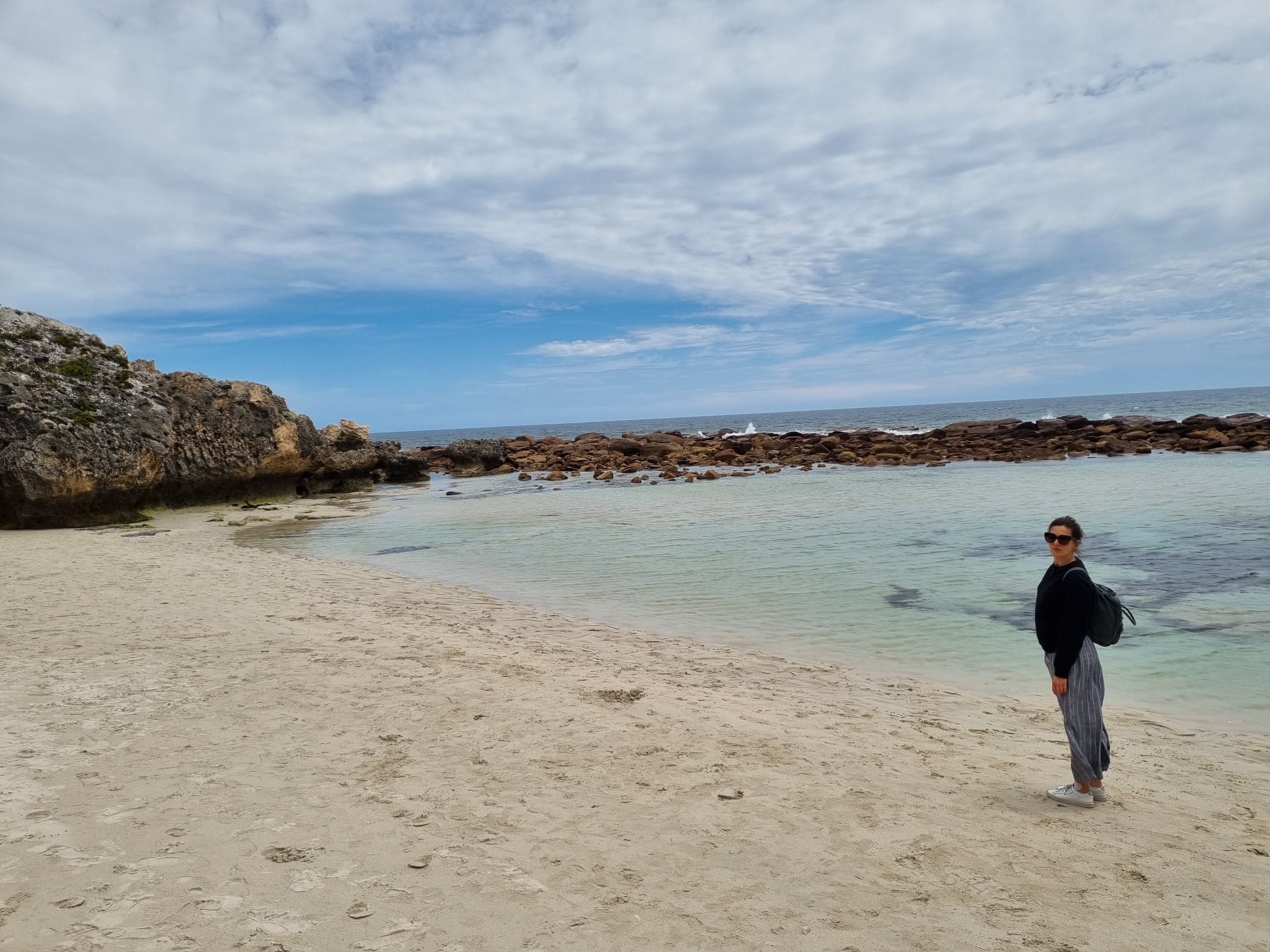
Up in the less travelled north coast of the island is Stokes Bay. Stokes Bay is one of the many secluded beaches in the north coast, set amongst rolling hills and accessible via an interesting rock tunnel. Once through the bouldered tunnel, you’re met with a stunning view of Stokes Bay Beach and its glittering waters.
Little Sahara in Vivonne Bay
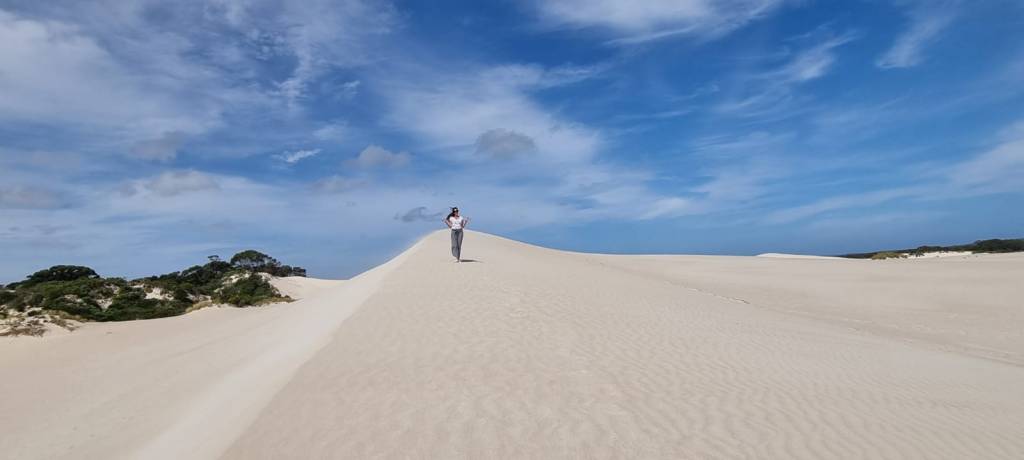
Down in the south of the island is Vivonne Bay, known for its beautiful beach and eponymously named nature reserve, Vivonne Bay Nature Reserve. It’s also where you’ll find Kangaroo Island’s Little Sahara.
As the name suggests, Little Sahara is a mini desert with sprawling dunes. Sand boarding is popular here it was pretty quiet when we were there, so it was quite mesmerising walking up one of the highest dunes and taking in the rolling dunes all around me.
Kangaroo Island Brewery
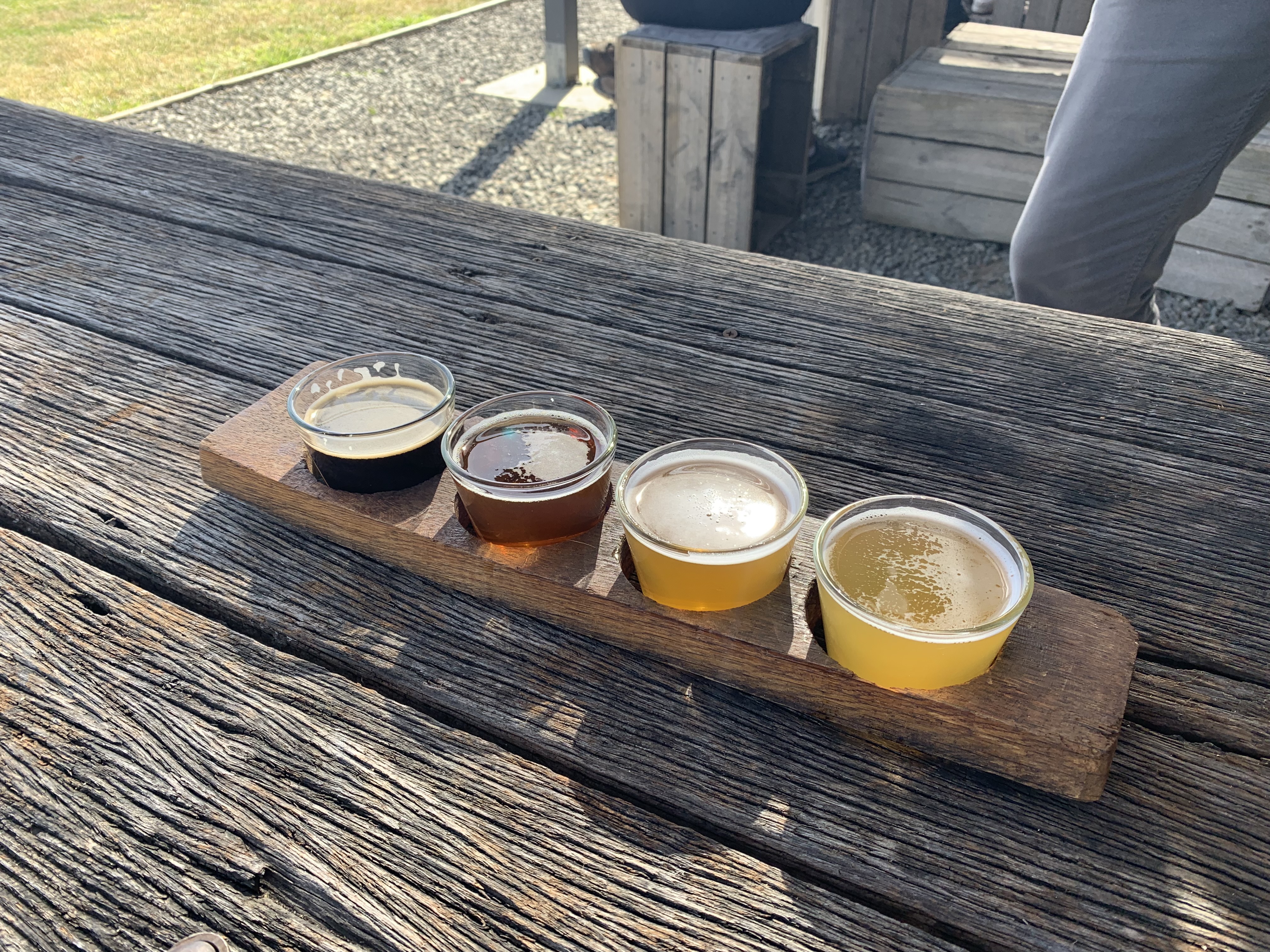
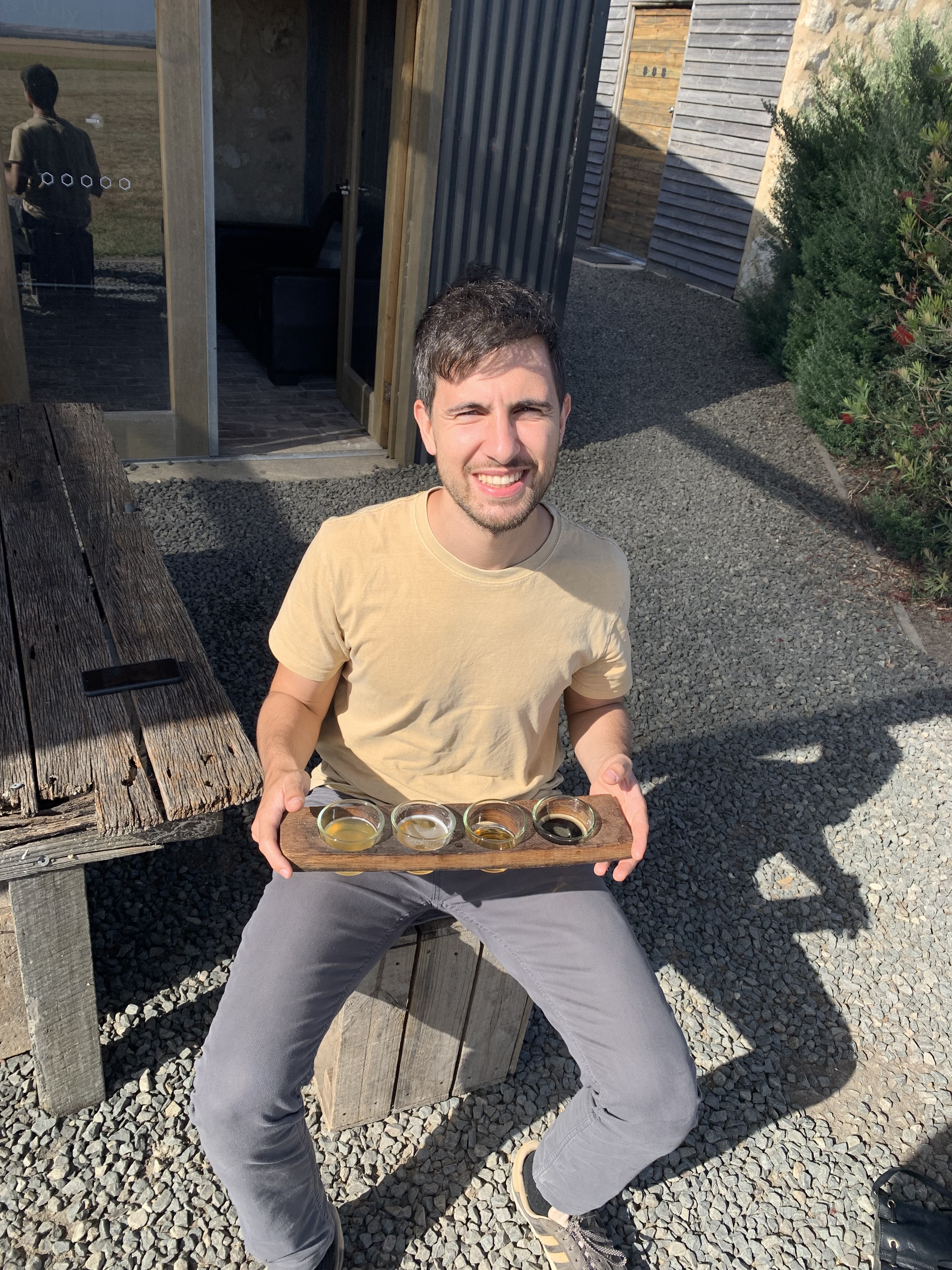
Visit the Kangaroo Island Brewery to sample some of the local beers at the end of the day. Thanks to a great outdoor area and a little tray of the brewery’s finest IPAs, this was a great spot to pitch up for sunset and sip on some local beers in this brewery, where all the materials are recycled.
Nighttime penguin tour
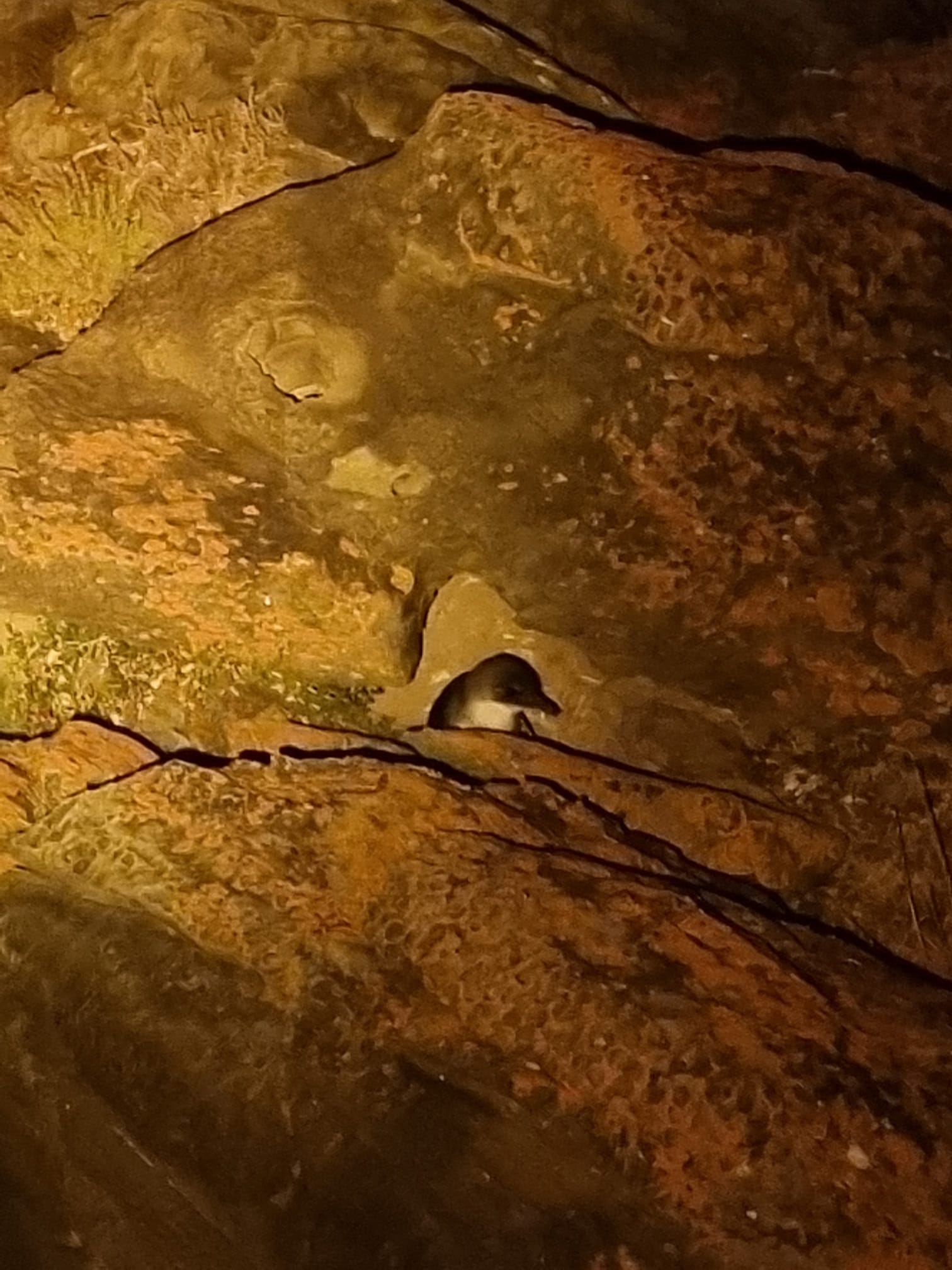
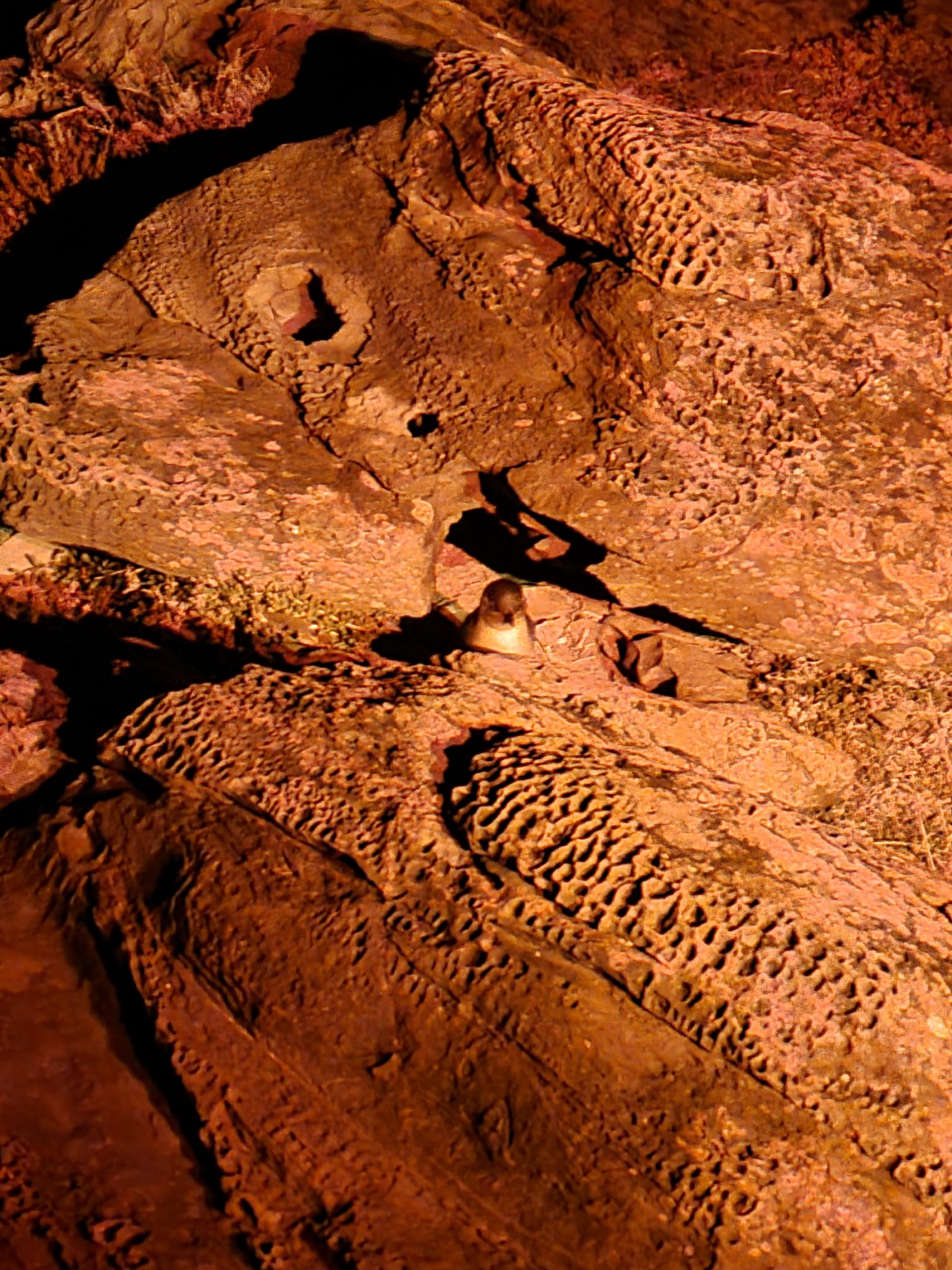
Strolling past the Penneshaw coast at night you might wonder from whence the mysterious squawking comes. These are in fact the squawks of the world’s smallest penguins, imaginatively named ‘Little Penguins’. They’re tiny and I mean tiny – approx. 30cm tall. The nighttime tour that leaves from Penneshaw – where the penguin colony is located – is the best way to see them thanks to the wildlife-friendly torches you’re given as part of the tour. Don’t worry: the torches give off a red light which apparently the penguins are blind to. Sure enough we did see a little penguin pop out from his rocky house and I can confirm he/she/they (if a non binary penguin) was/were extremely cute.
 Edgy Satsuma