A weekend in the goddamn freezing but delightful Aussie capital.
To be honest, I didn’t have high expectations of Canberra. I was mainly going to visit an old and dear Canberran friend of mine who I met many moons ago in Peru (gap yarr). Most people I’d spoken to about it – mainly Sydneysiders and those not from Canberra – described a soulless place with not a lot going on and “one of those capital cities that doesn’t really feel like a capital city.” And while that last part is true – it certainly doesn’t have the hustle and bustle of somewhere like Sydney – I found this to be no bad thing. It did live up to its reputation of being chilly AF and full of roundabouts (yes, so many), but I really did enjoy this culturally rich, symmetrical gem of a city and its proximity to some awesome nature reserves.
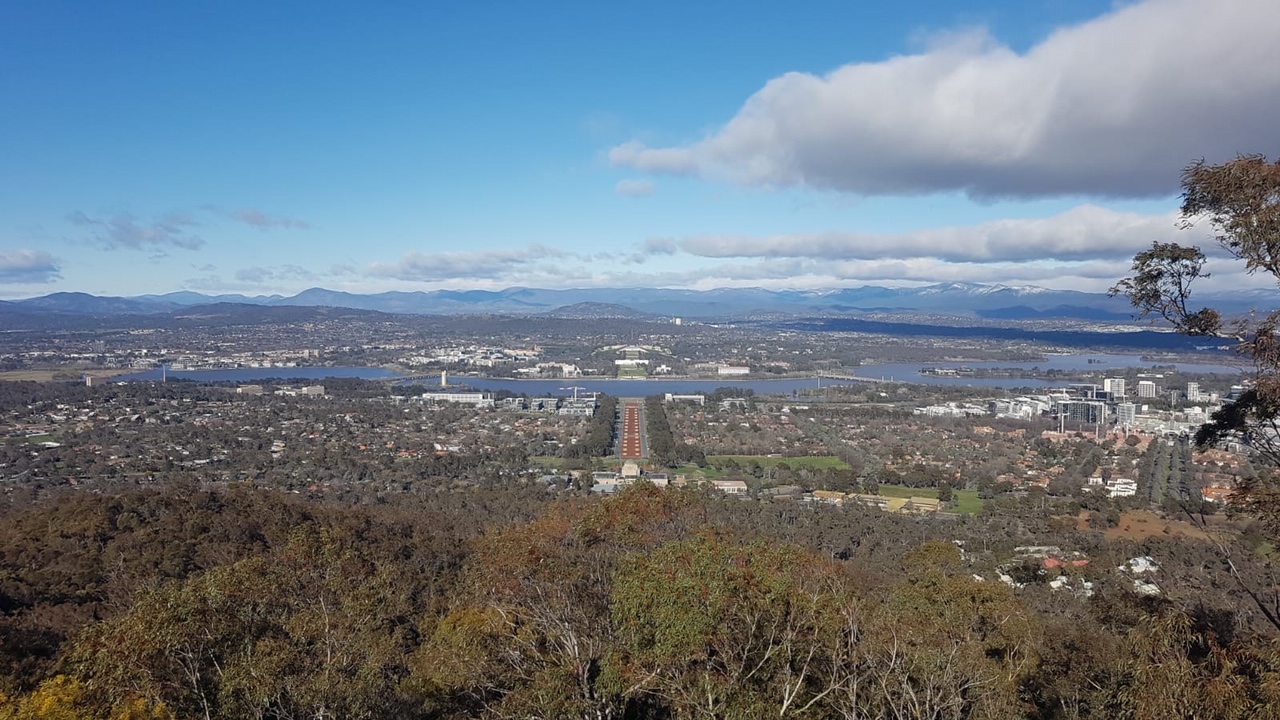
In fact, that’s one of the things that really struck me about Canberra: nature and the mountains really are on its doorstep. The city is nestled among the sprawling landscape of the Great Dividing Range to the east and the foot of the Australian Alps to the West. Over half of the ACT is protected as a nature reserve – Canberra Nature Park – which comprises around 30 separate native bushland and grassland reserves. Mount Ainslie, with its famous viewing point giving a panoramic view of the city, is the scenic backdrop to central Canberra.
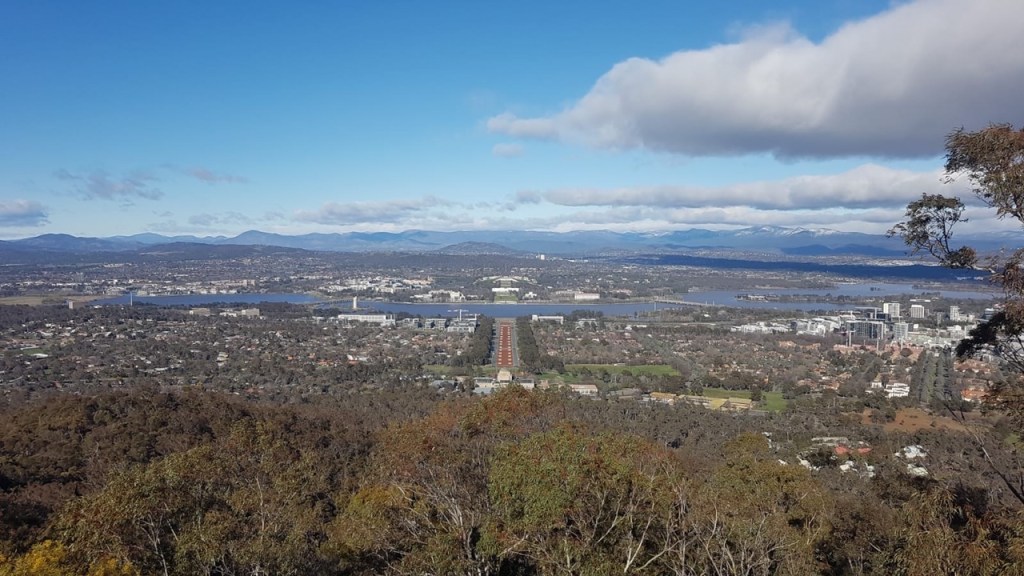
Culturally, Canberra is an Australian city like no other. Filled with monuments, galleries and museums, this relatively modern city is surprisingly steeped in history and hosts some of the best exhibitions in the world. Both parliament buildings, old Parliament House and new Parliament House, are worth a visit. We only managed Parliament House (new one), and couldn’t go inside because bookings are now required due to Covid, but the marble-clad interiors with original Australian artworks are meant to be beautiful to walk around. Even just viewing the building from outside is impressive; it’s said to be a symbolic piece of architecture representing the historical and legislative progression of Australian democracy due to being “constructed to emerge out of Capitol Hill – rather than sitting atop it as an imposing structure.”
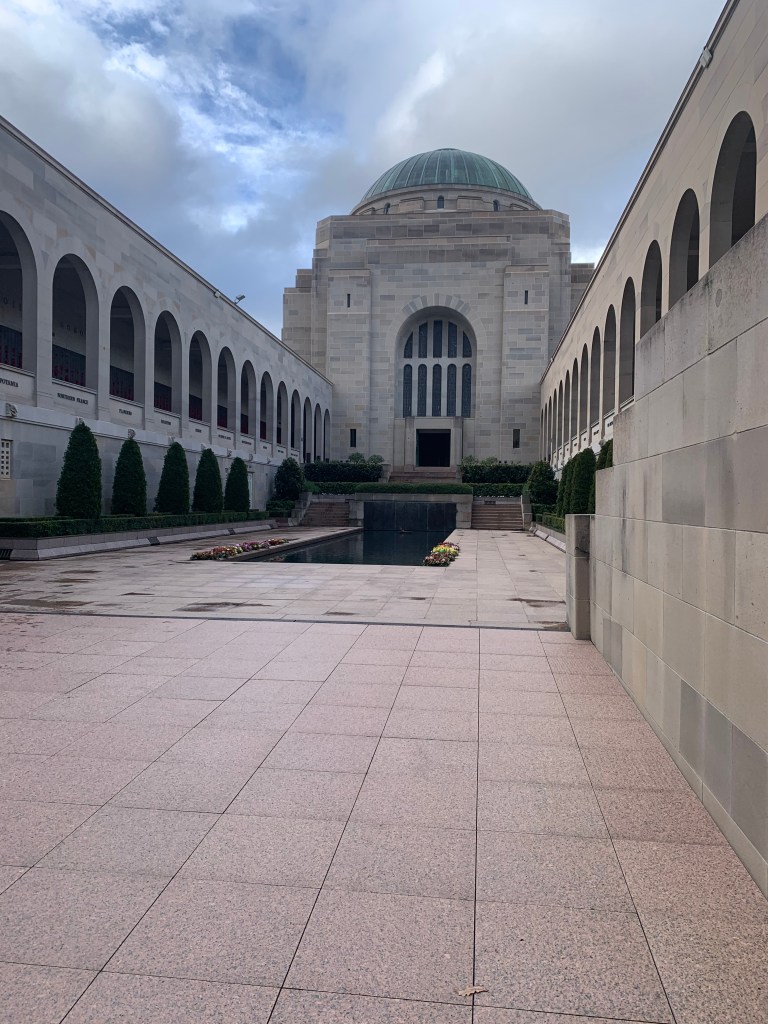
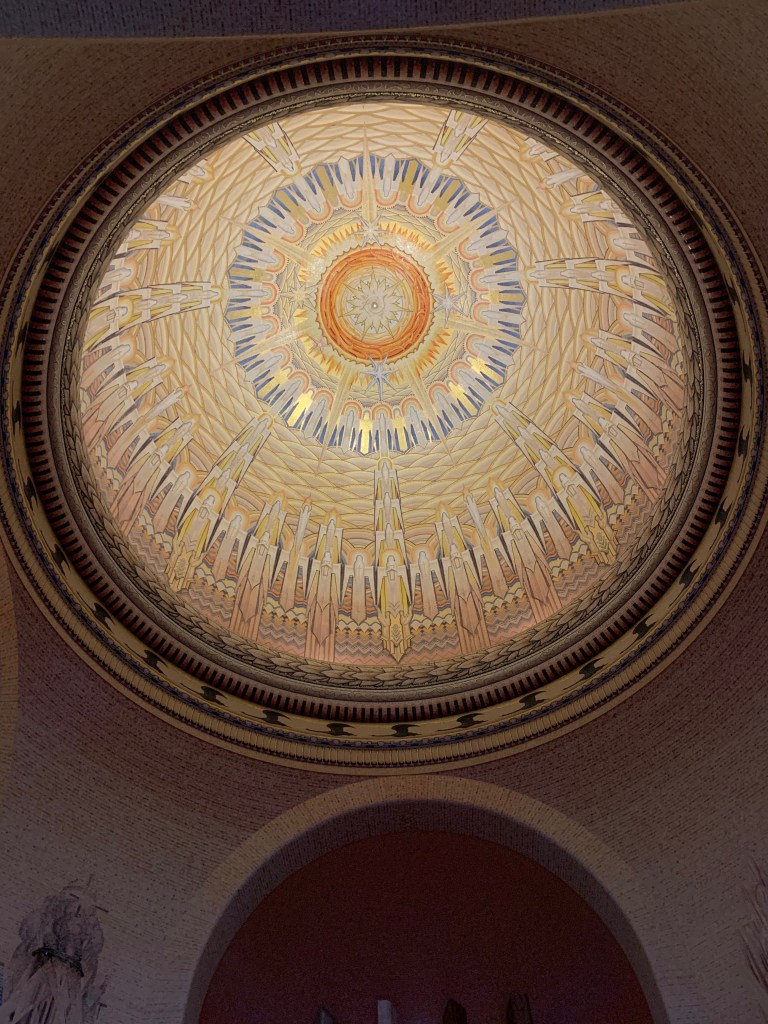
High on the list of places I’d recommend visiting in Canberra is the Australian War Memorial, a national memorial to Australia’s armed forces who died in wars involving the Commonwealth of Australia. The memorial comprises the shrine – made up of the Commemorative Courtyard and the Hall of Memory with the Tomb of the Unknown Australian Soldier – and the military museum. This architecturally byzantine and art-deco style building is beautiful and worth exploring, while the museum narrates some hugely important parts of Australian history.
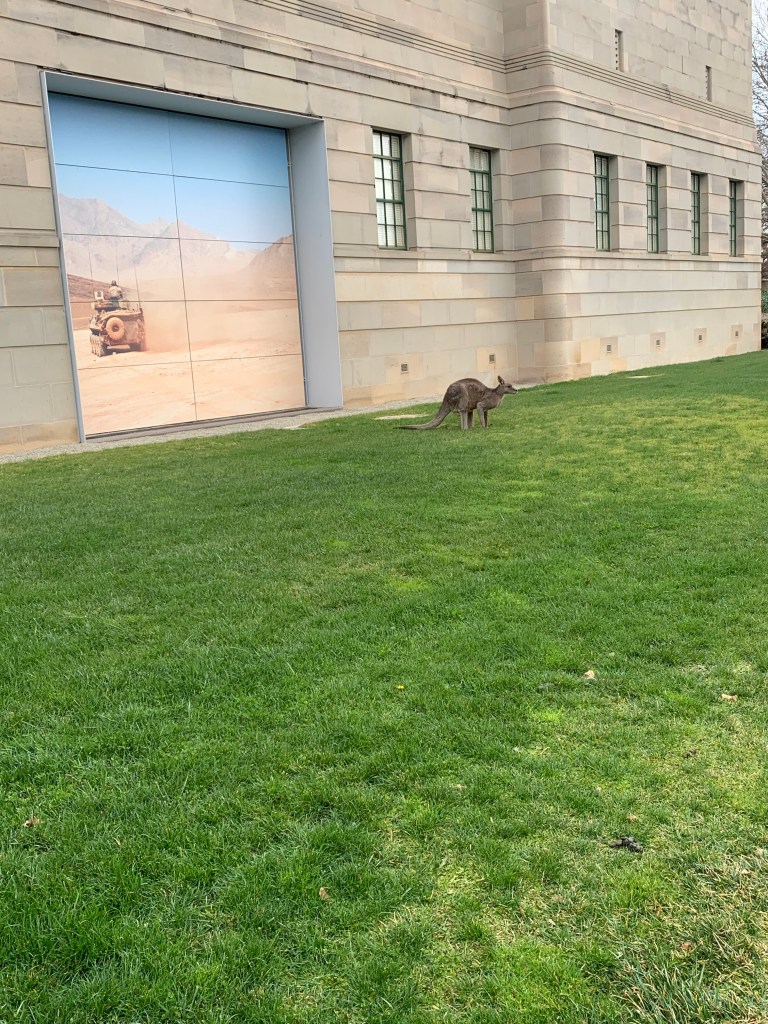
My favourite part of this visit was the urban kangaroo just chilling outside the Memorial – a hopping testament to the co-existence of culture and nature in Canberra. I never cease to get childishly excited by the sight of kangaroos, even though I’ve now seen loads of them.
If you like wine, you’ll like Canberra. I hadn’t realised it was such a big wine region. Our friends took us to the Clonakilla winery, a thirty-minute drive from the city centre. Best known for its Pinot Noir, Shiraz, Chardonnay and Viognier varieties, this small family-run vineyard is celebrated as one of the best in the country and produces some award-winning wines. The Clonakilla 2019 Viognier and 2019 Hilltops Shiraz were my faves – stay too long here and you’ll definitely leave feeling quite shirazmatazzed.
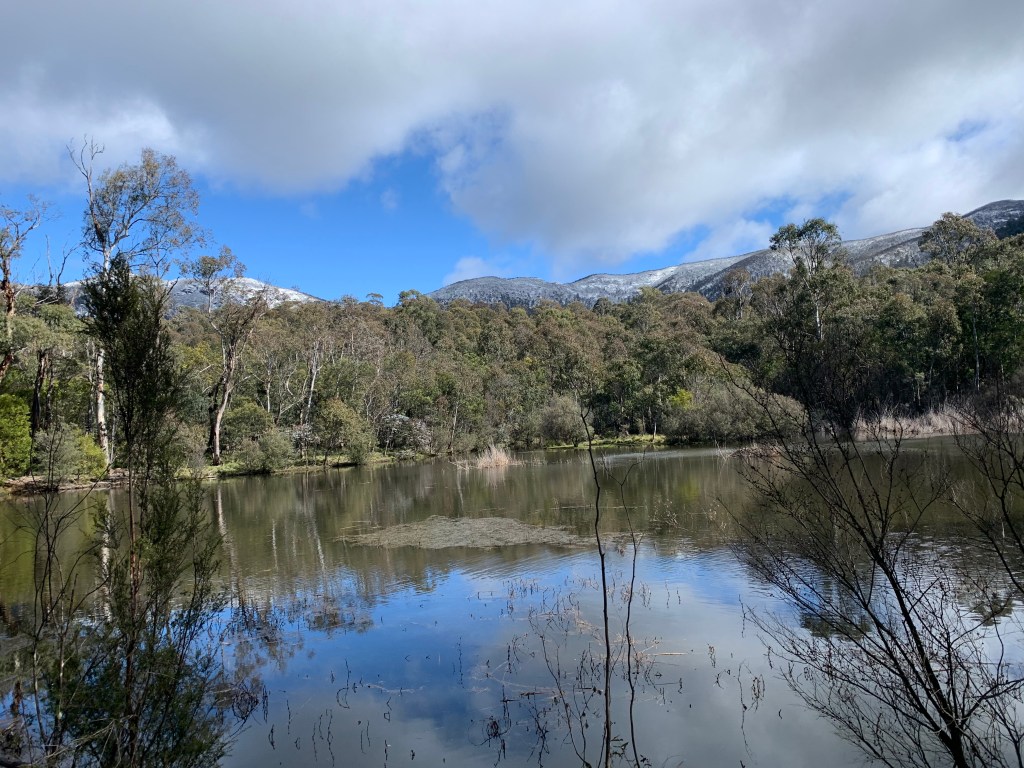
Another absolute must-visit in Canberra is the Tidbinbilla Nature Reserve. The name Tidbinbilla comes from the Ngunnawal word ‘Jedbinbilla’ which means ‘where boys become men’, and Tidbibilla is an important place to the Ngunnawal people – the traditional custodians of the Canberra region. The Ngunnawal people used the valley to source food – a key component of which was the migratory bogong moth, pictured below. Collecting these moths was an important step in the first stage of manhood, where boys went on to hunt and catch larger game, such as duck, swans, emus, and kangaroos.

Like many of Australia’s national parks, Tidbinbilla is beautiful – the view made even more spectacular by the snow that had topped the surrounding mountains overnight. Visitors can expect to tick off three of what we coined ‘Australia’s big five’; Tidbinbilla is home to a platypus lake and a koala sanctuary and there are plenty of kangaroos hopping around the barbecue and picnic area. I was overjoyed to see the elusive platypus but unfortunately didn’t manage get any decent photos, but can confirm the cuteness was next-level. They’re apparently very shy and rarely seen out and about in nature so we were very lucky to spot so many of them.
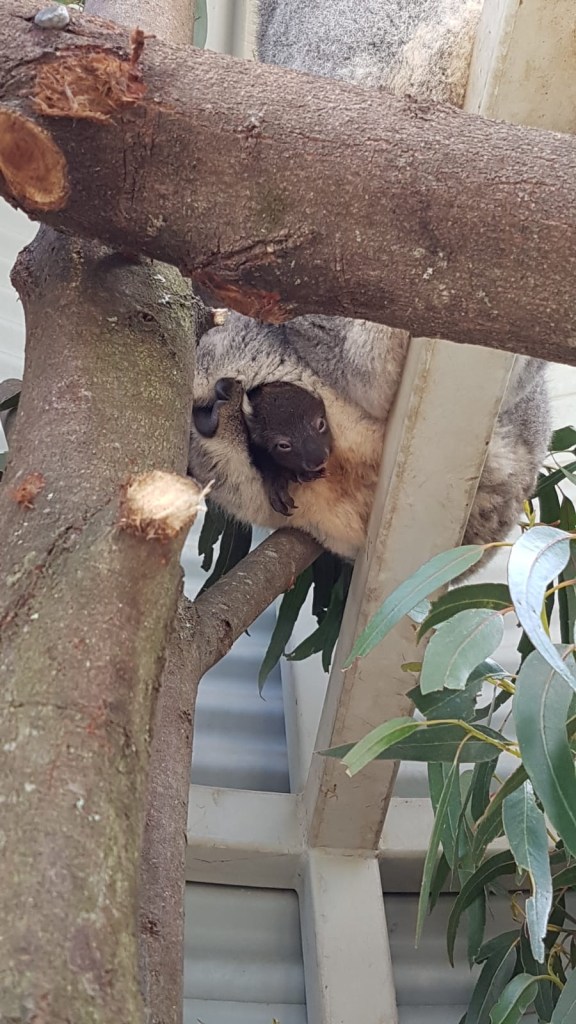
Last but certainly not least was the koala sanctuary. The friend I was visiting, Claire, told me the resident koalas had only just returned to Tidbinbilla after having been evacuated elsewhere in February to escape the Orroral Valley fire and flooding rain. Some of the female koalas had returned from this evacuation period pregnant with joeys – so it must have ended up being a raunchy evacuation holiday. Jed, the dominant male koala, was sleeping the whole time we were there which makes sense given he’d clearly been fairly busy (oi oi). A joey koala emerged from its pregnant mum’s pouch to say hello.
I’ll sign off by saying that I only got the chance to visit just a few places in Canberra but I know it has a lot more to offer. A brimming cultural hub with nature reserves and beautiful scenery just a stone’s throw away, Canberra celebrates much of what gives Australia its national identity. It’s 100% worth a visit!
 Edgy Satsuma